English
 Español


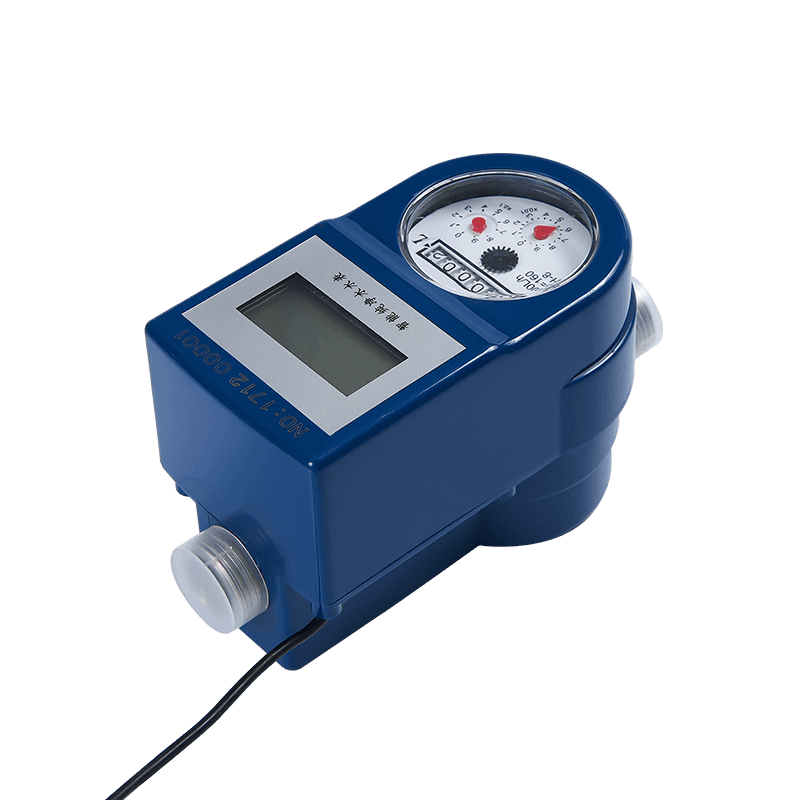
In today's increasingly refined water resource management, prepaid water meter technology is becoming a key tool for utilities worldwide to improve management efficiency and optimize resource allocation. By building efficient utility systems prepaid water solutions, water supply units can effectively resolve billing disputes, reduce bad debt risks, and provide users with a more transparent and autonomous water usage experience. With the integration of IoT technology, smart prepaid water meter is gradually transforming from a simple metering tool into a core node for real-time monitoring and scientific management of water resources.
The core logic of water prepaid meter system lies in "pay before you use." This model changes the management lag brought about by traditional post-paid billing. When users purchase water quotas through pre paid water meters, the system writes the relevant data into the smart module. The high-precision metering unit and control valve built into the water meter work in tandem, and once the pre-stored balance is exhausted, the valve closes automatically, thereby ensuring the revenue security of the water supply unit.
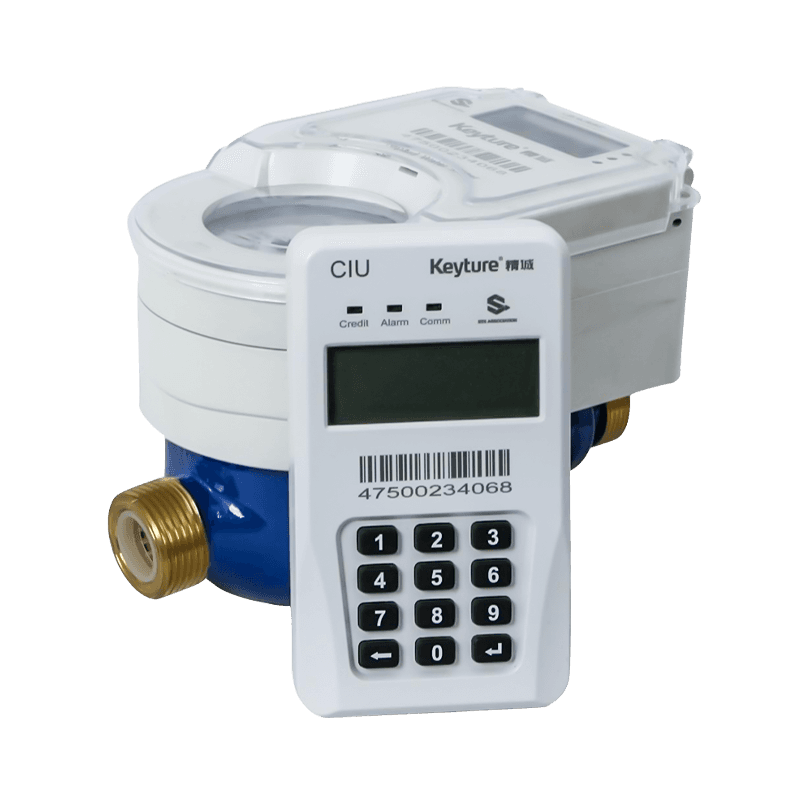
In advanced systems such as water watch prepaid meters, users can not only conveniently recharge through remote terminals or mobile devices but also view water usage data in real time. This two-way communication mechanism greatly enhances users' water-saving awareness and reduces billing discrepancies caused by estimated meter reading.
To demonstrate the value of technological iteration, the following is a professional comparison of the key technical parameters and management performance between traditional mechanical water meters and smart prepaid water meters:
| Performance Dimension | Traditional Mechanical Water Meter | smart prepaid water meter |
| Billing Method | Post-paid (manual reading) | Prepaid (automatic deduction) |
| Data Collection | Manual inspection, long cycle | Real-time/regular remote transmission |
| Anti-tamper Capability | Low (susceptible to magnetic interference) | High (with magnetic-proof, anti-disassembly records) |
| Valve Control | None | Built-in valve, remote control/automatic shut-off |
| Management Efficiency | Low (high leakage rate) | High (real-time monitoring, reduced non-business water use) |
| User Experience | Passive waiting for bills | Active inquiry of balance and consumption records |
Modern utility systems prepaid water is not just a simple upgrade of metering meters; it is a collection of multiple advanced technologies:
smart prepaid water meter usually adopts advanced flow sensing technology (such as ultrasonic or high-precision mechanical sensing) to ensure metering accuracy even at extremely low flows. By accessing the AMI (Advanced Metering Infrastructure) system, the water management center can grasp the flow data of various nodes in real time, achieving precise pipeline network pressure balancing and leakage detection.
Targeting malicious interference, pre paid water meters are designed with multiple physical and logical defense mechanisms. Once strong magnetic field interference or illegal disassembly is detected, the system will automatically trigger preventive measures (such as alarms or emergency valve cut-offs), ensuring the safety and stability of equipment operation.
water prepaid meter system can flexibly support tiered water price settings. Water supply units can update tiered price parameters remotely through the system according to local policies without replacing equipment or manual adjustments, thereby precisely regulating the relationship between water supply and demand and promoting differentiated water price management.
When deploying a prepaid water meter network, the stability of the system and environmental adaptability are crucial.
Environmental Adaptability: The installation location should ensure that the water meter's waterproof rating meets international standards (such as IP67) to cope with performance degradation caused by humid or outdoor environments.
Communication Stability: When building a water watch prepaid meters system, appropriate communication protocols (such as LoRaWAN, NB-IoT, or GPRS) should be selected according to the coverage area to ensure low latency and high reliability in data transmission.
Maintenance Strategy: Although smart devices have self-diagnostic functions, regular preventive maintenance is still necessary. It is recommended to check the tightness of the meter, the flexibility of the valve action, and the battery status annually to extend the overall service life of the system.
By integrating smart prepaid water meter into the existing management system, relevant agencies can not only significantly reduce operation and management costs but also significantly improve the sustainable utilization rate of water resources. This scientific digital transformation path has become an inevitable choice for improving the industry's service level and revenue stability.
prevHow to Choose the Right Ultrasonic Water Flow Meter for Industrial Applications
nextHow to Choose the Right Chinese ISO 4064 Water Meter for High-Precision Utility Management


Address: No.168,LinMu Rd.,Zone B, Jiangbei investment Park, Ningbo, Zhejiang,China
Tel: +86-0574-83090480/+86-18892665118
Fax: +86-0574-83021045
Email: [email protected]
Web: https://www.keyturemeter.com/
Quick Links
Product
Mobile terminal
 Wholesale Potable Water Flow Meter Manufacturers