English
 Español
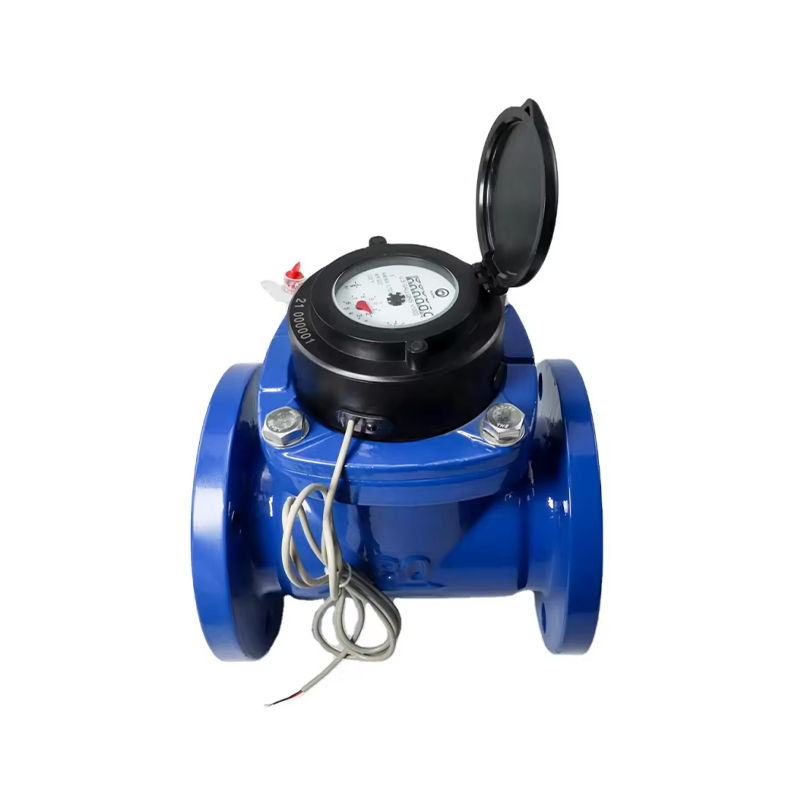


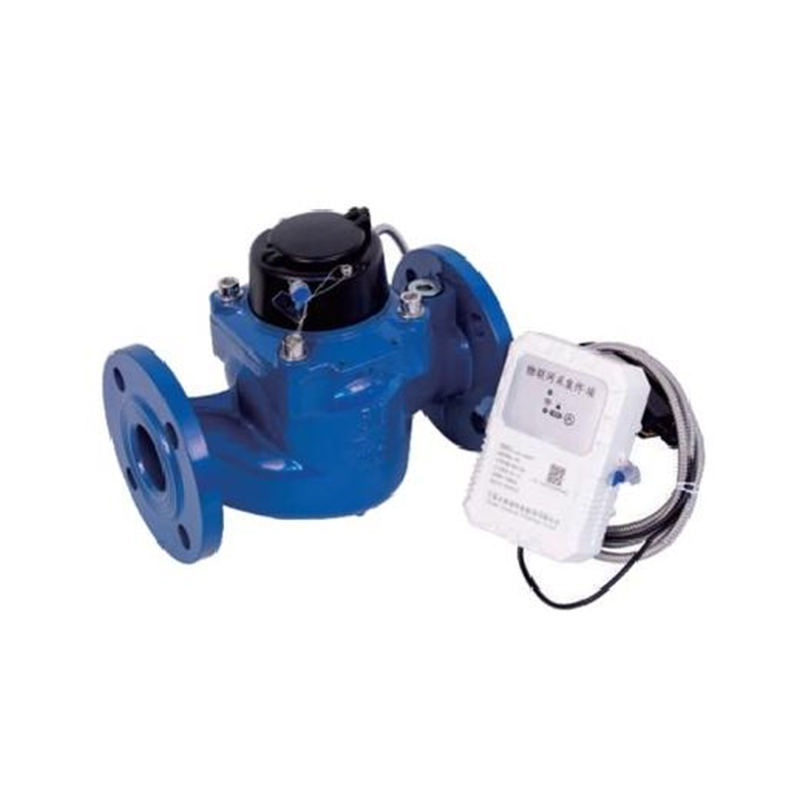
In various industrial and residential water supply systems, the accurate operation of a water meter is the foundation for flow monitoring and cost control. As a core metering device, understanding its internal construction, installation location, and daily inspection methods is of great significance for troubleshooting pipeline faults and preventing hidden water loss.
where is water meter located is one of the most frequently asked questions. Typically, the water meter is installed at the main entry point of the supply network, usually housed in a water meter box located below ground level. To protect the metering device from environmental corrosion, mechanical damage, and temperature fluctuations, the water meter box must have good compression resistance and sealing. If debris accumulates inside the box or the observation window reveals water inside water meter, the accuracy of the readings will be severely affected. It is recommended to regularly clean the interior of the box to ensure the metering instrument is in a dry and clean environment.
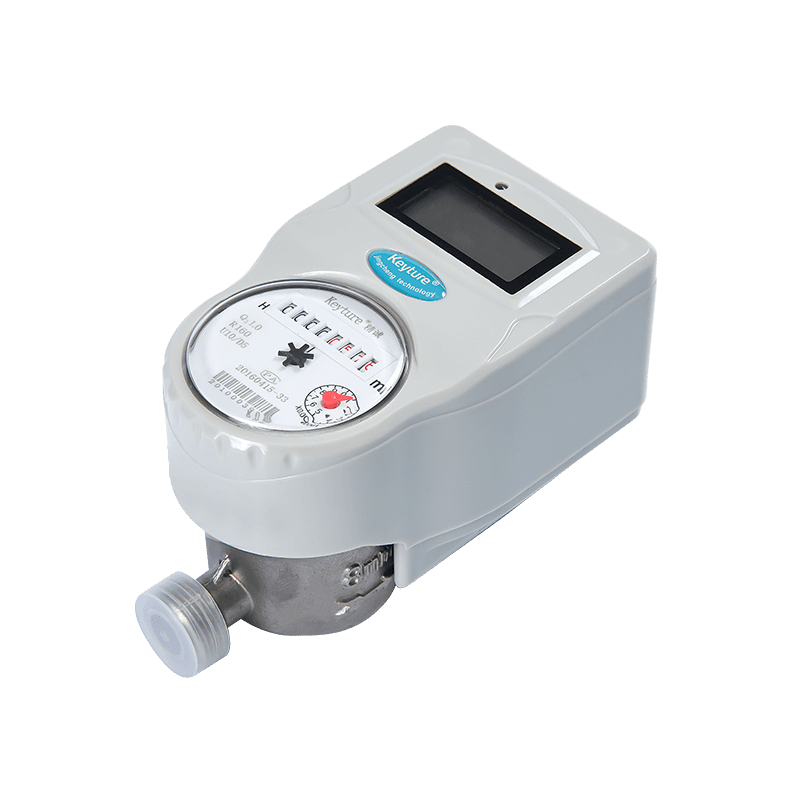
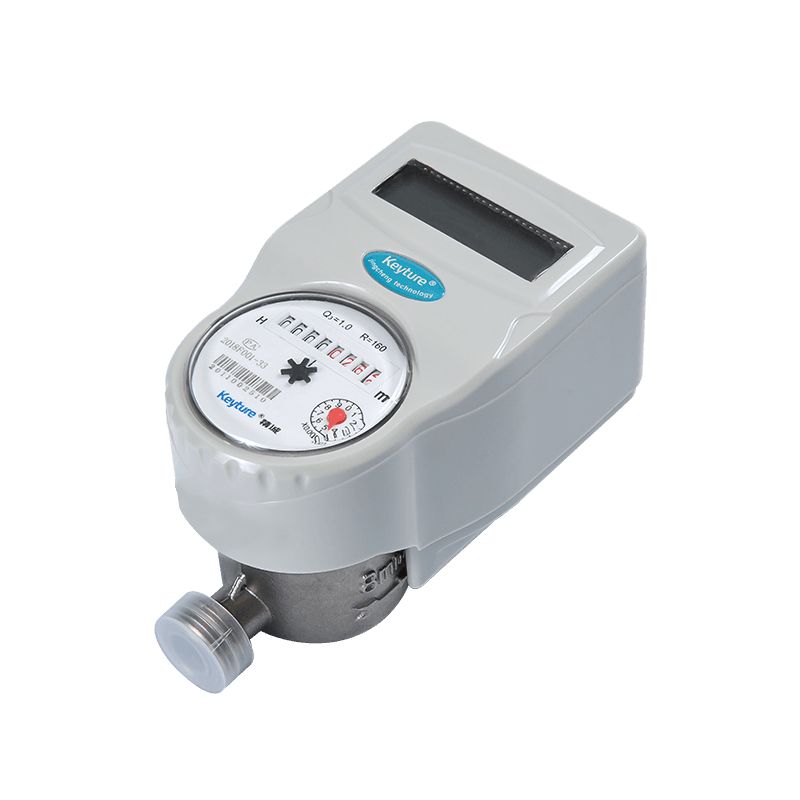
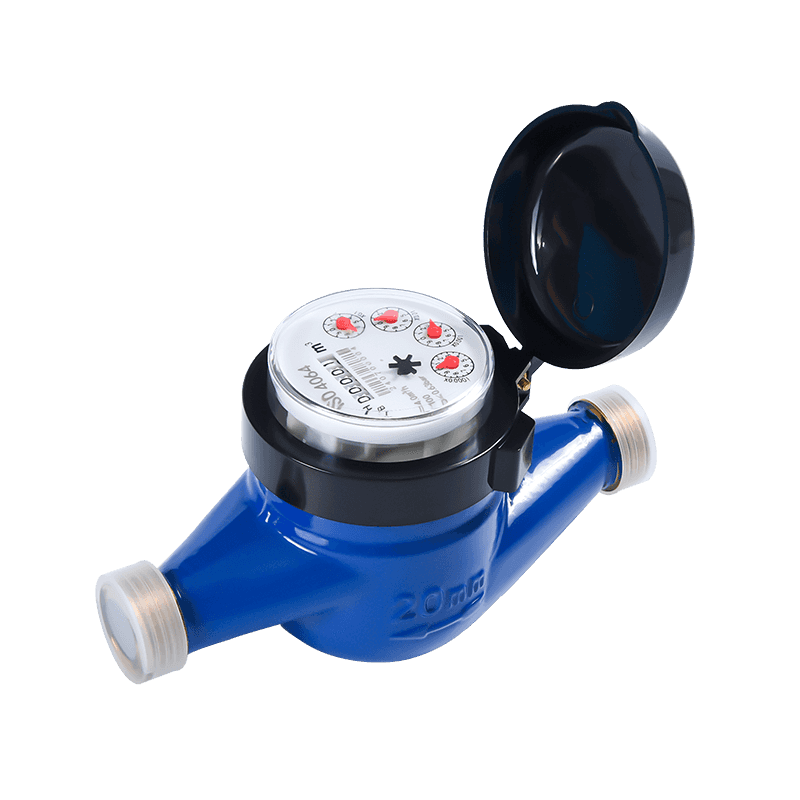
Mastering the method of how to read a water meter is a core skill for monitoring water usage. A modern water flow meter usually consists of a reading dial and pointers. The main indicator pointer represents larger flow units, while smaller dials are used to record precise small flow changes.
When reading, follow the principle of reading from the highest digit to the lowest. If it is discovered that the reading continues to increase during periods of no water usage, or even if the pointer of the water flow meter fluctuates slightly when the valves are completely closed, this usually means there is a leakage point in the downstream pipe network.
Beyond standard checks, understanding the long-term health of your infrastructure is critical. If you observe consistent pressure drops or abnormal flow fluctuations, the issue may reside deeper within the connection nodes. We recommend a proactive approach to prevent micro-leaks from turning into costly structural failures.
| Model Type | Flow Sensitivity | Durability Profile | Maintenance Frequency |
| Mechanical Rotary | High | Robust | Annual Inspection |
| Digital Smart Meter | Extreme | High Precision | Calibration Required |
As a manufacturer, we emphasize that water meter accuracy is not just about the device; it is about the calibration process. A poorly calibrated water flow meter can lead to an unintentional loss of revenue or excessive resource depletion. Our factory-level calibration ensures that each unit meets international flow standards from the moment it is installed in your water meter box.
Pro-Tip: When performing how to check water meter accuracy, always perform a baseline test during off-peak hours to isolate true network consumption from atmospheric pressure variations.
To ensure the longevity of your water meter, adopt this seasonal maintenance routine:
Regular inspections of the water meter system can effectively avoid resource waste caused by leaks. When unusual dampness is found around the water meter box, or if the water flow meter pointer continues to move without any water usage operations, priority should be given to checking for loose fasteners at connection points. For industrial high-precision flow requirements, it is recommended to calibrate once every two years to ensure that metering data meets national water supply standards.
Accurately grasping how to read a water meter and mastering the correct operation of a water meter key enables site personnel to quickly locate potential flow abnormalities. Through this scientific daily management method, not only can maintenance costs be significantly reduced, but the service life of water supply metering equipment can be extended, ensuring the water supply safety of the entire system.
prevHow Does an Ultrasonic Water Meter Work and How Do You Choose the Right One
nextHow to Choose the Best Multi Jet Water Meter for Industrial Precision


Address: No.168,LinMu Rd.,Zone B, Jiangbei investment Park, Ningbo, Zhejiang,China
Tel: +86-0574-83090480/+86-18892665118
Fax: +86-0574-83021045
Email: [email protected]
Web: https://www.keyturemeter.com/
Quick Links
Product
Mobile terminal
 Wholesale Potable Water Flow Meter Manufacturers